What Is the Process for Getting a Dental Bridge?
The process depends on the type of bridge being used.
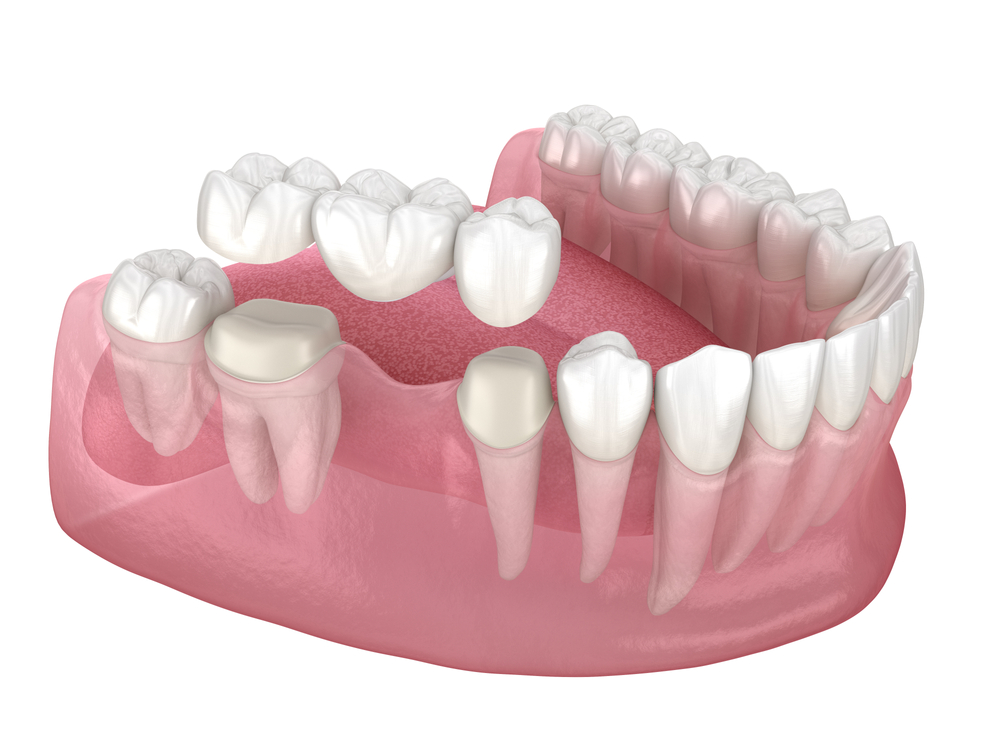
For a traditional tooth-supported bridge, the supporting teeth are prepared to make room for crowns. An impression or digital scan is then taken so the bridge can be designed to fit your teeth and bite.
A temporary restoration may be placed while the final bridge is being made.
At a later appointment, the completed bridge is evaluated for fit, appearance, and bite before it is secured in place. Adjustments may be made as necessary to help the restoration feel comfortable and function properly.
Implant-supported bridges follow a different process because the dental implants must first be planned, placed, and allowed to become stable enough to support the restoration.
How Do You Clean Under a Dental Bridge?
Although the replacement tooth in a bridge cannot develop a cavity, the natural teeth supporting the bridge can.
Plaque and food can also collect underneath the replacement tooth and around the gumline. Cleaning these areas is important for protecting the supporting teeth and maintaining healthy gums.
Because regular floss cannot simply pass down between connected bridge units, you may need floss threaders, specialized floss, interdental brushes, a water flosser, or another cleaning method.
Your dental team can show you how to clean around your specific bridge.
How Long Does a Dental Bridge Last?
Dental bridges are designed to provide long-term function, but their lifespan varies.
The health of the supporting teeth and gums is particularly important. Tooth decay, gum disease, changes in your bite, grinding or clenching, and damage to the restoration can all affect how long a bridge lasts.
Good daily oral hygiene and regular dental examinations allow your dentist to monitor both the bridge and the teeth supporting it.
A bridge may eventually require repair or replacement even when it has been well maintained.
Dental Bridge or Dental Implant?
Both bridges and dental implants can replace missing teeth, but they do so differently.
A traditional bridge uses neighbouring teeth for support, which means those teeth usually need to be prepared for crowns. A single dental implant replaces the missing tooth without relying on adjacent teeth for support.
Implant treatment involves placement into the jawbone and requires adequate bone and healing time. A traditional bridge does not require implant surgery and may be appropriate when neighbouring teeth would already benefit from crowns.
Neither option is automatically better for every patient. Your dentist can compare the condition of your remaining teeth, gums, bone, bite, treatment timeline, and other factors when discussing your options.
Replace the Space Left by a Missing Tooth
There are several ways to replace a missing tooth, and the right choice depends on more than appearance alone. The health of your neighbouring teeth, gums, bone, and bite all play a role in treatment planning.
Contact our dental team to discuss whether a dental bridge, dental implant, or another tooth replacement option may be appropriate for you.