Root Canals

Root canal treatment can save a tooth when the soft tissue inside it becomes inflamed, infected, or damaged. Treatment removes the affected tissue from inside the tooth, cleans and seals the space, and allows the natural tooth to remain in place.

What Is Root Canal Treatment?

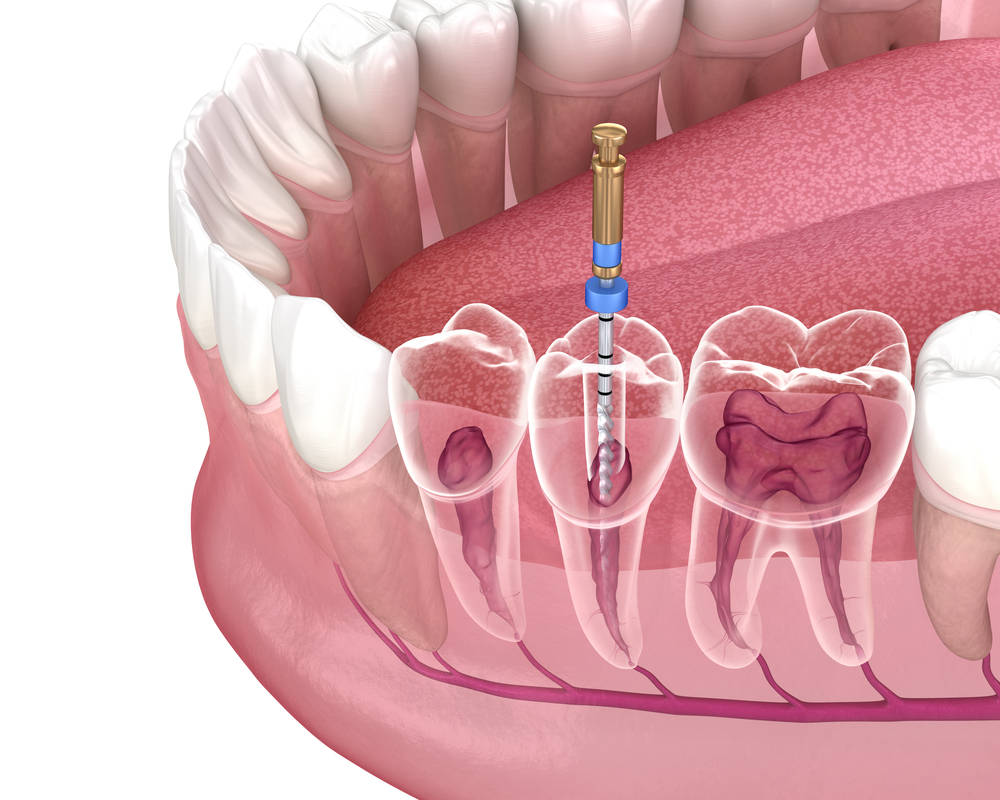
root canal therapy example image

Inside each tooth is a space containing dental pulp, which includes nerves, blood vessels, and connective tissue.

If the pulp becomes severely inflamed or infected, it may no longer be able to recover. Root canal treatment removes the affected pulp and cleans and seals the inside of the tooth.

The tooth itself is not removed. Once treatment is complete, the remaining natural tooth can continue to function and is typically restored to protect it from further damage.

Why Would You Need a Root Canal?

The pulp inside a tooth can become inflamed or infected when bacteria or damage reach the inner portion of the tooth.

Common causes include:

  • Deep tooth decay
  • A cracked or fractured tooth
  • Damage around an existing filling or restoration
  • Repeated dental treatment on the same tooth
  • Trauma or injury to a tooth

Sometimes the damage develops gradually. In other cases, an injury can affect the pulp even when there is little visible damage to the outside of the tooth.

What Are the Signs You May Need a Root Canal?

Symptoms vary depending on the tooth and how the condition has progressed.

Possible signs include:

  • Persistent or severe tooth pain
  • Pain when biting or chewing
  • Lingering sensitivity to hot or cold
  • Swelling or tenderness around a tooth
  • A pimple-like bump on the gums
  • Darkening or discolouration of a tooth
  • Swelling in the gums, face, or jaw

An infected tooth does not always cause obvious pain. In some cases, changes inside the tooth are identified during an examination or on a dental X-ray.

These symptoms can also have other causes, so an examination is necessary to determine whether root canal treatment is appropriate.

What Happens During a Root Canal?

The area around the tooth is typically numbed with local anesthetic before treatment begins.

An opening is made in the tooth so the dentist can access the pulp chamber and root canals. Inflamed or infected tissue is removed, and the internal spaces are carefully cleaned and shaped.

The canals are then filled and sealed to reduce the risk of bacteria re-entering the space.

Depending on the condition of the tooth and the treatment required, root canal therapy may be completed in one appointment or over multiple visits. A temporary restoration may be used between appointments when necessary.

Do You Need a Crown After a Root Canal?

A tooth that has received root canal treatment often requires a final restoration to protect it and restore normal function.

Back teeth such as molars and premolars frequently receive dental crowns because they experience significant biting forces. A crown can help protect the remaining tooth structure from fracture.

However, not every root canal-treated tooth requires the same type of restoration. The appropriate choice depends on the tooth’s location, how much healthy structure remains, and the forces placed on it.

Your dentist will explain how the tooth should be restored after root canal treatment.

Does a Root Canal Hurt?

Root canal treatment is performed to address a tooth that may already be causing significant discomfort.

Local anesthetic is used to numb the treatment area, with the goal of keeping you comfortable during the procedure. You may notice pressure or movement while the tooth is being treated.

Some tenderness or sensitivity around the tooth can occur afterward and typically improves as the area heals.

If pain or swelling becomes severe, persists, or worsens after treatment, contact your dental office.

What Happens if an Infected Tooth Is Not Treated?

An infection inside a tooth does not normally resolve simply because the pain decreases.

Without appropriate treatment, bacteria can spread beyond the tooth into the surrounding tissues and bone. This can lead to an abscess, swelling, additional bone loss, or other complications.

In some cases, a severely damaged or infected tooth cannot be predictably saved and may need to be extracted.

Evaluating the tooth earlier can provide a better understanding of whether root canal treatment can preserve it.

How Long Does a Root Canal-Treated Tooth Last?

Root canal treatment is intended to allow a natural tooth to remain functional for the long term, but no dental treatment has a guaranteed lifespan.

The outcome depends on factors such as the original condition of the tooth, the amount of remaining tooth structure, the quality of the final restoration, oral hygiene, and the forces placed on the tooth.

A root canal-treated tooth can still develop decay, gum disease, fractures, or other problems because the natural tooth structure remains.

Regular dental examinations and good daily oral hygiene continue to be important after treatment.

Save Your Natural Tooth When Possible

A painful or infected tooth does not automatically need to be removed. When enough healthy tooth structure remains, root canal treatment may provide a way to address the problem while preserving your natural tooth.

Contact our dental team if you are experiencing persistent tooth pain, sensitivity, swelling, or other symptoms that could indicate a problem inside a tooth.

FAQs About Root Canals

When a tooth can be predictably restored, root canal treatment may allow you to keep your natural tooth rather than remove it. Extraction may be necessary when a tooth is too damaged to restore. Your dentist can assess the tooth and explain the advantages and limitations of each option.

Treatment time varies depending on the tooth, the number and shape of its canals, and the complexity of the condition. Some root canals can be completed in one appointment, while others require more than one visit.

It is possible for a previously treated tooth to develop another infection or other problem. This may occur if bacteria regain access to the inside of the tooth, a restoration breaks down, the tooth fractures, or areas of the root canal system remain affected. Additional treatment may sometimes be possible.

The pulp tissue containing the tooth’s nerve is removed during root canal treatment, but the tissues surrounding the tooth remain responsive. You can still feel pressure when biting and may experience discomfort if the surrounding tissues become inflamed or another problem develops.

We strive to...

Create a welcoming environment where you feel heard, respected, and at ease throughout your visit.

Help you understand your oral health and treatment options so you can make informed decisions about your care.

Take the time to understand your concerns, priorities, and goals before recommending treatment.

Earn your trust through consistent care, open communication, and a patient-first approach.

Insurance & Billing

Our friendly team will help you complete insurance paperwork in advance for a better, faster, experience. We make it easy.

Why Choose Our Practice

Patient First Approach

"Lorem ipsum dolor sit amet, consectetur adipiscing elit, sed do eiusmod tempor incididunt ut labore et dolore magna aliqua. Ut enim ad minim veniam, quis nostrud exercitation ullamco laboris nisi ut aliquip ex ea commodo consequat.

Welcoming Team

"Lorem ipsum dolor sit amet, consectetur adipiscing elit, sed do eiusmod tempor incididunt ut labore et dolore magna aliqua. Ut enim ad minim veniam, quis nostrud exercitation ullamco laboris nisi ut aliquip ex ea commodo consequat.

Payment Options

"Lorem ipsum dolor sit amet, consectetur adipiscing elit, sed do eiusmod tempor incididunt ut labore et dolore magna aliqua. Ut enim ad minim veniam, quis nostrud exercitation ullamco laboris nisi ut aliquip ex ea commodo consequat.

Our Satisfied Patients

We love hearing from our patients! Thank you to everyone who has taken the time to provide us with feedback. It means the world to us!