Crowns

A dental crown covers and protects a tooth that has been weakened, damaged, or extensively restored. Crowns are designed to restore the tooth’s shape, strength, appearance, and function while preserving the natural tooth underneath.

What Is a Dental Crown?

dental crown

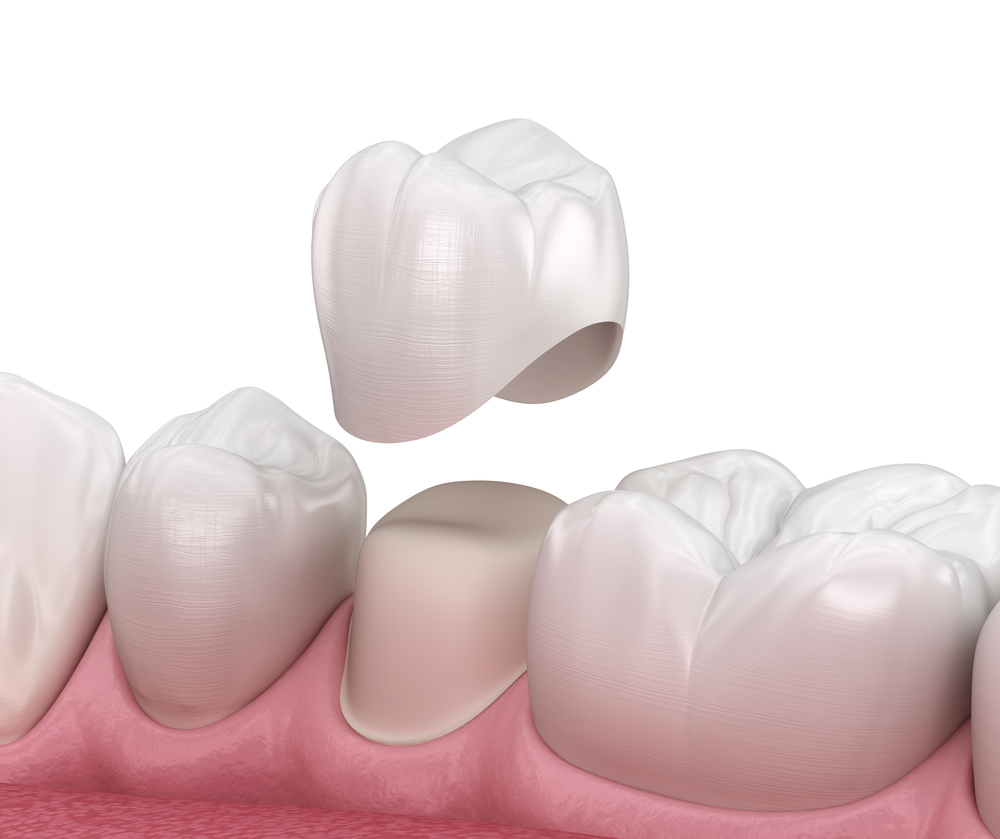
A dental crown is a custom restoration that fits over the visible portion of a tooth.

Unlike a filling, which repairs a specific area within a tooth, a crown covers much more of the remaining tooth structure. This allows it to provide additional support when a tooth has been significantly weakened or damaged.

Crowns can be made from several dental materials and are designed to fit your bite while resembling the size and shape of a natural tooth.

Why Would You Need a Dental Crown?

A crown may be recommended when a tooth requires more protection than a filling or another smaller restoration can provide.

Common reasons include:

  • Extensive tooth decay
  • A large or failing filling
  • A cracked, fractured, or weakened tooth
  • Significant wear or loss of tooth structure
  • Protecting certain teeth after root canal treatment
  • Restoring a dental implant
  • Improving the shape or appearance of a damaged tooth

Whether a crown is appropriate depends on how much healthy tooth structure remains, the condition of the tooth and gums, your bite, and the forces placed on the tooth.

Dental Crown or Filling?

Fillings and crowns both restore damaged teeth, but they are used in different situations.

A filling replaces a relatively small area of tooth structure that has been damaged by decay or another problem. The remaining natural tooth continues to provide most of the tooth’s strength and shape.

When a large portion of the tooth has been weakened or lost, there may not be enough strong tooth structure to reliably support a filling. A crown can cover and protect more of the tooth, helping distribute biting forces across the restoration.

Your dentist will consider the extent and location of the damage before recommending the appropriate type of restoration.

What Happens When You Get a Dental Crown?

The tooth is typically numbed with local anesthetic before it is prepared.

Damaged or decayed tooth structure is removed as necessary, and the tooth is shaped to create enough space for the crown. In some cases, additional restorative material may be needed to rebuild part of the tooth before the crown is made.

An impression or digital scan is then taken so the restoration can be designed to fit the prepared tooth and your bite.

Depending on the treatment process used by the dental practice, a temporary crown may be placed while the final restoration is being made.

Once the final crown is ready, your dentist checks its fit, bite, and appearance before securing it to the tooth.

What Are Dental Crowns Made From?

Dental crowns can be made from several materials, including different types of ceramic, porcelain, metal alloys, or combinations of materials.

Each option has different characteristics related to appearance, strength, wear, and how it interacts with the opposing teeth.

The appropriate material depends on factors such as:

  • Where the tooth is located
  • How visible it is when you smile
  • The amount of biting force in that area
  • The amount of natural tooth remaining
  • Your bite and grinding or clenching habits
  • Existing dental restorations

The crown materials available can vary between dental practices. Your dentist can explain the options appropriate for your tooth.

Do You Need a Crown After a Root Canal?

Teeth that have received root canal treatment often require a final restoration to protect the remaining tooth structure.

Back teeth such as molars and premolars commonly receive crowns because they experience substantial forces during chewing and may be more vulnerable to fracture after significant structural loss.

However, a crown is not automatically required after every root canal. The appropriate restoration depends on the location of the tooth, how much healthy structure remains, and how the tooth will function.

How Long Do Dental Crowns Last?

Dental crowns are intended to provide long-term function, but they do not last indefinitely.

How long a crown lasts depends on factors such as the material, the condition of the supporting tooth, oral hygiene, your bite, diet, and habits such as clenching or grinding.

Over time, a crown can wear, chip, fracture, loosen, or develop problems around its edges. Changes to the tooth underneath can also affect the restoration.

Regular dental examinations allow your dentist to monitor the crown and the supporting tooth for signs of wear or other concerns.

Can You Get a Cavity Under a Crown?

Yes. The crown itself cannot develop tooth decay, but the natural tooth underneath it can.

The area where the crown meets the tooth is particularly important to keep clean. Plaque that remains around the crown margin can contribute to decay and gum inflammation.

Brush normally, clean between your teeth every day, and attend regular dental examinations and cleanings.

If decay develops underneath or around a crown, the restoration may need to be removed or replaced so the tooth can be treated.

What Should You Do if a Crown Comes Loose or Breaks?

A crown can occasionally loosen, chip, or come off.

If this happens, keep the crown if you can find it and contact your dental office. Avoid chewing on the affected tooth until it has been assessed, particularly if the remaining tooth structure feels weak or sensitive.

Do not assume that a loose crown simply needs to be cemented back into place. Your dentist needs to examine the tooth and restoration to determine why the crown became loose and whether either has been damaged.

Protect and Restore a Damaged Tooth

When a tooth has lost a significant amount of healthy structure, a crown can provide additional protection while allowing the natural tooth to remain in place.

Contact our dental team if you have a broken or weakened tooth, a damaged existing crown, or have been told that a tooth may need more protection than a filling can provide.
FAQs About Crowns

Local anesthetic is typically used while the tooth is being prepared, helping keep the treatment area numb during the procedure. Some temporary sensitivity or gum tenderness may occur afterward.

The timeline depends on how the crown is made and the treatment required. Some crowns are produced through a process involving a temporary restoration and a later placement appointment, while some dental practices have technology that allows certain crowns to be made in a shorter timeframe.

Minor damage may sometimes be repairable, depending on the crown material, location, and extent of the problem. More significant fractures, recurrent decay, poor fit, or other damage may require the crown to be replaced.

Crowns do not need to be replaced simply because they reach a specific age. Replacement may become necessary if a crown is damaged, worn, loose, no longer fits properly, or if the supporting tooth develops decay or another problem.

We strive to...

Create a welcoming environment where you feel heard, respected, and at ease throughout your visit.

Help you understand your oral health and treatment options so you can make informed decisions about your care.

Take the time to understand your concerns, priorities, and goals before recommending treatment.

Earn your trust through consistent care, open communication, and a patient-first approach.

Insurance & Billing

Our friendly team will help you complete insurance paperwork in advance for a better, faster, experience. We make it easy.

Why Choose Our Practice

Patient First Approach

"Lorem ipsum dolor sit amet, consectetur adipiscing elit, sed do eiusmod tempor incididunt ut labore et dolore magna aliqua. Ut enim ad minim veniam, quis nostrud exercitation ullamco laboris nisi ut aliquip ex ea commodo consequat.

Welcoming Team

"Lorem ipsum dolor sit amet, consectetur adipiscing elit, sed do eiusmod tempor incididunt ut labore et dolore magna aliqua. Ut enim ad minim veniam, quis nostrud exercitation ullamco laboris nisi ut aliquip ex ea commodo consequat.

Payment Options

"Lorem ipsum dolor sit amet, consectetur adipiscing elit, sed do eiusmod tempor incididunt ut labore et dolore magna aliqua. Ut enim ad minim veniam, quis nostrud exercitation ullamco laboris nisi ut aliquip ex ea commodo consequat.

Our Satisfied Patients

We love hearing from our patients! Thank you to everyone who has taken the time to provide us with feedback. It means the world to us!