Tooth Extraction

Sometimes a tooth cannot be predictably repaired or keeping it may negatively affect your oral health. Tooth extraction removes the affected tooth and, when appropriate, allows your dentist to discuss options for restoring the space afterward.

When Is a Tooth Extraction Necessary?

Tooth Extractions

Dentists generally try to preserve natural teeth whenever possible. However, there are situations where removing a tooth may be the most appropriate option for protecting your oral health.

An extraction may be recommended for:

  • Severe tooth decay that cannot be predictably restored
  • A badly broken or fractured tooth
  • Advanced gum disease that has caused significant loss of support around a tooth
  • A dental infection when the tooth cannot be saved
  • Impacted or problematic wisdom teeth
  • Overcrowding when removal is part of an orthodontic treatment plan
  • Certain teeth that interfere with another planned dental treatment

Your dentist will examine the tooth and may take X-rays before recommending an extraction. If the tooth can reasonably be saved with another treatment, those options can be discussed as well.

Simple and Surgical Tooth Extractions

The way a tooth is removed depends on its position, condition, and surrounding structures.

Simple Tooth Extraction

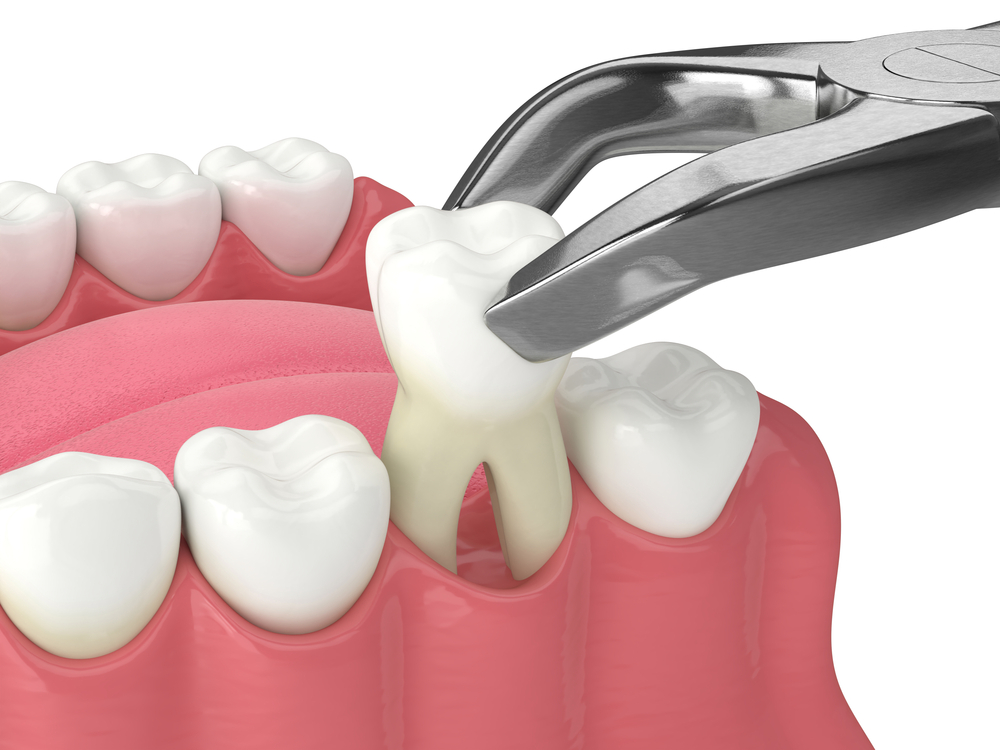
A simple extraction is generally used when the tooth is visible above the gumline and can be accessed normally. The area is numbed with local anesthetic before the tooth is carefully loosened and removed.

Surgical Tooth Extraction

A surgical extraction may be necessary when a tooth is broken below the gumline, has not fully erupted, or cannot be removed with a simple extraction.

The dentist may need to make a small opening in the gum tissue or divide the tooth into smaller sections to remove it safely. Wisdom teeth are one common reason a surgical extraction may be required.

Your dentist can explain which approach is appropriate after examining the tooth and reviewing any necessary X-rays.

What Happens During a Tooth Extraction?

Your appointment begins with an assessment of the tooth and surrounding area. Your dentist will review your symptoms, medical history, and any medications that may be relevant to treatment.

The area around the tooth is numbed before the extraction begins. You may feel pressure or movement during the procedure, but the goal of local anesthetic is to prevent sharp pain.

Once the tooth has been removed, the area is cleaned and gauze may be placed over the extraction site to help control bleeding. Stitches may sometimes be used, particularly after a surgical extraction.

Before you leave, your dental team will provide instructions for caring for the area while it heals.

What Should You Expect After a Tooth Extraction?

Some tenderness, swelling, and minor bleeding can occur after an extraction. These symptoms generally improve as the area begins to heal.

A blood clot forms in the socket where the tooth was removed. Protecting this clot is an important part of early healing. Follow your dentist’s instructions carefully and avoid disturbing the extraction site.

You may be advised to eat softer foods temporarily and avoid chewing directly over the area. Your dental team will also explain when you can return to your normal brushing and flossing routine around the extraction site.

Contact your dental office if your symptoms become significantly worse rather than gradually improving, or if you have concerns about how the area is healing.

What Is Dry Socket?

Dry socket is a complication that can occur when the blood clot protecting the extraction site is lost or does not develop properly. This can expose the underlying bone and cause significant pain.

Following your aftercare instructions can help reduce the risk. Smoking, using straws, forceful rinsing, and other activities that create suction or disturb the area may interfere with the clot during early healing.

If you develop increasing or severe pain after an extraction, contact your dentist. Dry socket can be treated to help relieve discomfort and support healing.

What Happens After a Tooth Is Removed?

Whether a missing tooth needs to be replaced depends on which tooth was removed and your individual situation. Wisdom teeth, for example, generally do not need to be replaced.

When another permanent tooth is removed, leaving the space open can sometimes affect chewing or allow nearby teeth to shift over time. Replacement options may include a dental implant, bridge, or partial denture.

Replacement does not necessarily happen immediately. Your dentist can explain whether the tooth should be replaced and when the appropriate time is to consider your options.

Can a Tooth Extraction Be Avoided?

Sometimes. The answer depends on why the tooth is causing problems and how much healthy tooth structure and supporting tissue remain.

Treatments such as fillings, crowns, root canal treatment, or periodontal care may allow some damaged or infected teeth to be preserved. In other situations, the damage may be too extensive for those treatments to provide a predictable result.

The goal is not simply to remove or save a tooth at all costs. Your dentist can explain the available options, their limitations, and what each approach could mean for your long-term oral health.

Understand Your Treatment Options

A recommendation for tooth extraction should come with a clear explanation of why the tooth needs to be removed and whether there are reasonable alternatives.

Contact our dental team if you have a damaged, painful, or problematic tooth. We can assess the area, explain your treatment options, and help you understand what to expect if an extraction is necessary.
FAQs About Tooth Extraction

The area is numbed with local anesthetic before an extraction. You may notice pressure and movement during the procedure, but you should not feel sharp pain. Some soreness afterward is common and generally improves as the area heals.

Early healing usually occurs over the first several days, but the extraction site continues to heal beyond that point. Recovery varies depending on the tooth, the complexity of the extraction, and your overall health. Your dentist can give you more specific guidance based on your procedure.

Yes, but softer foods are generally easier during the early stages of healing. Avoid chewing directly over the extraction site and follow the instructions provided by your dental team regarding foods and activities to avoid.

Not always. Wisdom teeth typically do not require replacement, while replacing other permanent teeth may help restore chewing function and prevent unwanted changes to your bite. Your dentist can discuss options such as dental implants, bridges, or partial dentures when replacement is appropriate.

We strive to...

Create a welcoming environment where you feel heard, respected, and at ease throughout your visit.

Help you understand your oral health and treatment options so you can make informed decisions about your care.

Take the time to understand your concerns, priorities, and goals before recommending treatment.

Earn your trust through consistent care, open communication, and a patient-first approach.

Insurance & Billing

Our friendly team will help you complete insurance paperwork in advance for a better, faster, experience. We make it easy.

Why Choose Our Practice

Patient First Approach

"Lorem ipsum dolor sit amet, consectetur adipiscing elit, sed do eiusmod tempor incididunt ut labore et dolore magna aliqua. Ut enim ad minim veniam, quis nostrud exercitation ullamco laboris nisi ut aliquip ex ea commodo consequat.

Welcoming Team

"Lorem ipsum dolor sit amet, consectetur adipiscing elit, sed do eiusmod tempor incididunt ut labore et dolore magna aliqua. Ut enim ad minim veniam, quis nostrud exercitation ullamco laboris nisi ut aliquip ex ea commodo consequat.

Payment Options

"Lorem ipsum dolor sit amet, consectetur adipiscing elit, sed do eiusmod tempor incididunt ut labore et dolore magna aliqua. Ut enim ad minim veniam, quis nostrud exercitation ullamco laboris nisi ut aliquip ex ea commodo consequat.

Our Satisfied Patients

We love hearing from our patients! Thank you to everyone who has taken the time to provide us with feedback. It means the world to us!