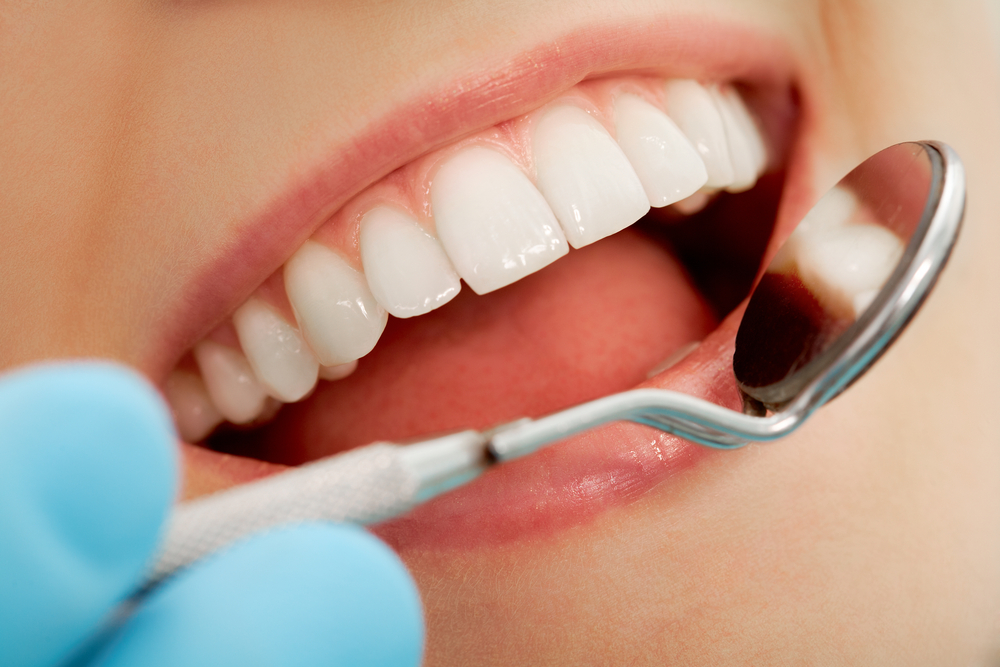
A dental checkup is more than a quick look for cavities. Your dentist examines your mouth for signs of changes that could affect your oral health and reviews any symptoms or concerns you may have noticed since your previous visit.
Depending on your needs, a routine dental exam may include an assessment of:
- Teeth for cavities, cracks, wear, or other damage
- Existing fillings, crowns, bridges, and other restorations
- Gums and other tissues supporting your teeth
- Your bite and jaw function
- Areas of sensitivity or discomfort
- Changes to the soft tissues of your mouth
- Other findings that may require monitoring or treatment
Your medical and dental history may also be reviewed because medications, health conditions, and changes in your overall health can sometimes affect your dental care.
Why Are Regular Dental Exams Important?
Many dental problems develop gradually and may not cause noticeable symptoms in their early stages.
A small cavity, for example, may not hurt. Early gum disease can also develop with few obvious warning signs. By the time pain or significant discomfort appears, the condition may have progressed.
Regular examinations allow your dental team to monitor changes over time and identify areas that may require preventive care, treatment, or closer observation.
Early detection does not always mean treatment is necessary immediately. In some situations, your dentist may simply recommend monitoring an area and checking it again at a future visit.
What Does Your Dentist Look for During an Exam?
Your dentist considers the health of your entire mouth rather than evaluating individual teeth in isolation.
Tooth Decay and Damage
Teeth are checked for signs of cavities, fractures, wear, weakened areas, and other structural concerns.
Existing dental work is also examined. Fillings, crowns, bridges, implants, and other restorations can wear or develop problems over time and should be monitored regularly.
Gum Health
Your gums and the supporting structures around your teeth are evaluated for signs of inflammation or periodontal disease.
Bleeding, swelling, gum recession, changes in the spaces around your teeth, and other findings may indicate that additional assessment or treatment is appropriate.
Bite and Jaw Function
Changes in your bite, tooth wear, jaw movement, or muscle tenderness can sometimes indicate clenching, grinding, or other functional concerns.
Your dentist may ask about symptoms such as jaw discomfort, headaches, or changes in how your teeth come together.
Soft Tissues of the Mouth
Your dental examination can also include an assessment of the tongue, cheeks, lips, gums, palate, and other visible tissues of the mouth.
If an unusual area is identified, your dentist can determine whether it should be monitored, reassessed, or investigated further.