What Types of Dental Fillings Are Available?
Several materials can be used to restore teeth. The appropriate choice depends on factors such as the location and size of the filling, biting forces, appearance, existing dental work, and the needs of the individual tooth.
Composite Fillings
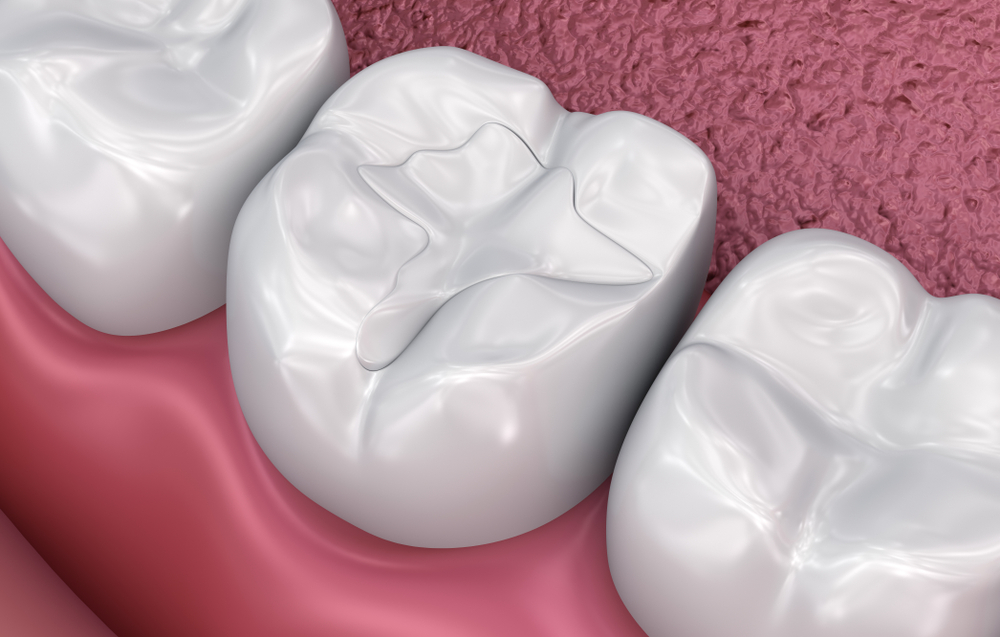
Composite resin is a tooth-coloured restorative material that can be matched to the surrounding tooth.
It is commonly used because it provides a natural-looking result and can be bonded directly to tooth structure. Composite may be used on both front and back teeth depending on the clinical situation.
Other Filling Materials
Other restorative materials may also be used depending on the tooth and treatment requirements.
Your dentist can explain which materials are available and why one option may be better suited to a particular tooth.
What Should You Expect After a Filling?
Your mouth may remain numb for a period after treatment if local anesthetic was used. Take care when eating or drinking until normal sensation has returned.
Some teeth experience temporary sensitivity after a filling, particularly to temperature or pressure. This often improves as the tooth settles after treatment.
If your bite feels uneven, the filling feels too high, or sensitivity or discomfort persists or worsens, contact your dental office. A filling may occasionally require an adjustment after it has been placed.
How Long Do Dental Fillings Last?
Fillings are designed to withstand everyday biting and chewing, but they do not last indefinitely.
Their lifespan depends on the filling material, the size and location of the restoration, your bite, oral hygiene, diet, and habits such as clenching or grinding.
Over time, a filling can wear, chip, crack, or develop a gap around its edges. Decay can also develop in the natural tooth structure surrounding an existing filling.
Regular dental examinations allow your dentist to monitor older restorations and identify signs that a filling may need repair or replacement.
Filling, Crown, or Another Treatment?
A filling works best when there is enough healthy tooth structure remaining to support the restoration.
If a tooth has extensive decay, a large fracture, or significant structural damage, a filling may not provide enough protection. A dental crown or another restorative treatment may be recommended instead.
If decay reaches the dental pulp inside the tooth, additional treatment such as root canal therapy may also be necessary.
The appropriate treatment depends on how much of the tooth has been affected and whether the remaining structure can be predictably restored.
Repair Decay Before It Becomes a Larger Problem
Small areas of tooth decay are generally easier to restore than teeth that have experienced extensive structural damage.
If you have tooth sensitivity, discomfort, a damaged filling, or have been told you have a cavity, contact our dental team for an assessment. Treating decay at an appropriate stage can help preserve more of your natural tooth structure.