What Is the Process for Getting Porcelain Veneers?
Treatment begins with an examination of your teeth, gums, and bite. Your dentist will also discuss the changes you would like to make and determine whether veneers can realistically achieve those goals.
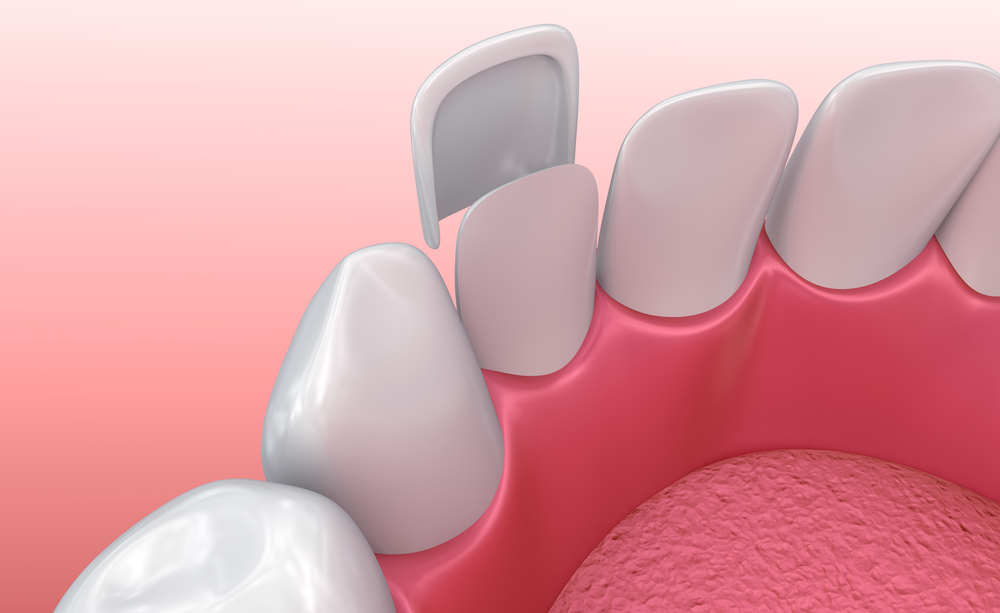
For many porcelain veneers, a small amount of enamel is removed from the front of the tooth to create space for the restoration. An impression or digital scan is then taken so the veneers can be designed to fit your teeth.
Temporary veneers may be used while the final restorations are being made.
When the veneers are ready, their fit, shape, and appearance are evaluated before they are bonded to the teeth. Adjustments may be made as necessary.
The exact process varies depending on the type of veneer and treatment plan.
Do Veneers Require Removing Tooth Enamel?
Many veneers require some degree of tooth preparation, although the amount varies.
Traditional porcelain veneers commonly involve removing a thin layer of enamel so the restoration can fit naturally without making the tooth appear bulky.
Some cases may require very little preparation, while others require more significant alteration. Claims such as “no-prep veneers” depend on the individual tooth and treatment being used and are not appropriate for every patient.
Once enamel has been removed for a veneer, the treatment is generally considered irreversible because the tooth will continue to require a restoration.
How Long Do Dental Veneers Last?
Veneers are designed for long-term use, but they are not permanent restorations.
Their lifespan depends on the material, your bite, oral hygiene, diet, habits, and the amount of force placed on the teeth.
Veneers can eventually chip, fracture, wear, loosen, or require replacement. Composite material may also stain or wear differently than porcelain over time.
Clenching or grinding can place additional stress on veneers. If you grind your teeth, your dentist may discuss ways to help protect the restorations.
How Do You Care for Veneers?
Teeth with veneers still require normal daily oral hygiene.
Brush regularly, clean between your teeth, and attend routine dental examinations and cleanings. Although the veneer itself cannot develop a cavity, the natural tooth around and underneath the restoration can still experience decay.
Avoid using your teeth to open packages, bite hard objects, or perform other tasks that can damage natural teeth and dental restorations.
Your dentist can monitor the veneers, surrounding teeth, gums, and bite during regular examinations.
Are Veneers Right for You?
Veneers may be an option when your teeth and gums are healthy and the cosmetic concern can be addressed by changing the visible surface of the teeth.
Before recommending veneers, your dentist may consider:
- The amount of healthy enamel available
- Existing cavities or restorations
- Gum health
- Your bite
- Clenching or grinding habits
- Tooth position and alignment
- The changes you would like to make
Other treatments may sometimes achieve your goals while preserving more natural tooth structure. Teeth whitening, orthodontic treatment, cosmetic bonding, crowns, or a combination of treatments may also be considered.
Explore Your Cosmetic Dentistry Options
Veneers can make significant changes to the appearance of selected teeth, but good cosmetic treatment starts with understanding what can be achieved while preserving healthy tooth structure.
Contact our dental team to discuss your goals and find out whether veneers, bonding, whitening, orthodontics, or another cosmetic treatment may be appropriate for your smile.