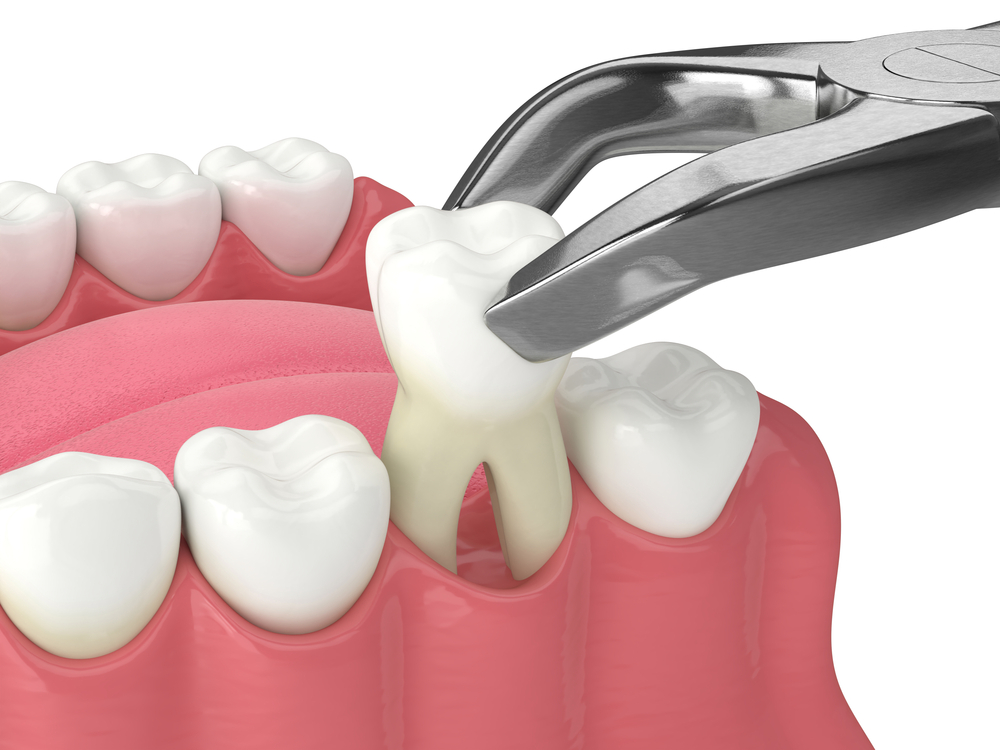
What Happens During a Tooth Extraction?
Your appointment begins with an assessment of the tooth and surrounding area. Your dentist will review your symptoms, medical history, and any medications that may be relevant to treatment.
The area around the tooth is numbed before the extraction begins. You may feel pressure or movement during the procedure, but the goal of local anesthetic is to prevent sharp pain.
Once the tooth has been removed, the area is cleaned and gauze may be placed over the extraction site to help control bleeding. Stitches may sometimes be used, particularly after a surgical extraction.
Before you leave, your dental team will provide instructions for caring for the area while it heals.
What Should You Expect After a Tooth Extraction?
Some tenderness, swelling, and minor bleeding can occur after an extraction. These symptoms generally improve as the area begins to heal.
A blood clot forms in the socket where the tooth was removed. Protecting this clot is an important part of early healing. Follow your dentist’s instructions carefully and avoid disturbing the extraction site.
You may be advised to eat softer foods temporarily and avoid chewing directly over the area. Your dental team will also explain when you can return to your normal brushing and flossing routine around the extraction site.
Contact your dental office if your symptoms become significantly worse rather than gradually improving, or if you have concerns about how the area is healing.
What Is Dry Socket?
Dry socket is a complication that can occur when the blood clot protecting the extraction site is lost or does not develop properly. This can expose the underlying bone and cause significant pain.
Following your aftercare instructions can help reduce the risk. Smoking, using straws, forceful rinsing, and other activities that create suction or disturb the area may interfere with the clot during early healing.
If you develop increasing or severe pain after an extraction, contact your dentist. Dry socket can be treated to help relieve discomfort and support healing.
What Happens After a Tooth Is Removed?
Whether a missing tooth needs to be replaced depends on which tooth was removed and your individual situation. Wisdom teeth, for example, generally do not need to be replaced.
When another permanent tooth is removed, leaving the space open can sometimes affect chewing or allow nearby teeth to shift over time. Replacement options may include a dental implant, bridge, or partial denture.
Replacement does not necessarily happen immediately. Your dentist can explain whether the tooth should be replaced and when the appropriate time is to consider your options.
Can a Tooth Extraction Be Avoided?
Sometimes. The answer depends on why the tooth is causing problems and how much healthy tooth structure and supporting tissue remain.
Treatments such as fillings, crowns, root canal treatment, or periodontal care may allow some damaged or infected teeth to be preserved. In other situations, the damage may be too extensive for those treatments to provide a predictable result.
The goal is not simply to remove or save a tooth at all costs. Your dentist can explain the available options, their limitations, and what each approach could mean for your long-term oral health.
Understand Your Treatment Options
A recommendation for tooth extraction should come with a clear explanation of why the tooth needs to be removed and whether there are reasonable alternatives.
Contact our dental team if you have a damaged, painful, or problematic tooth. We can assess the area, explain your treatment options, and help you understand what to expect if an extraction is necessary.