Custom Night Guards vs. Over-the-Counter Guards
Night guards are available over the counter, but these appliances differ from guards made specifically for your mouth.
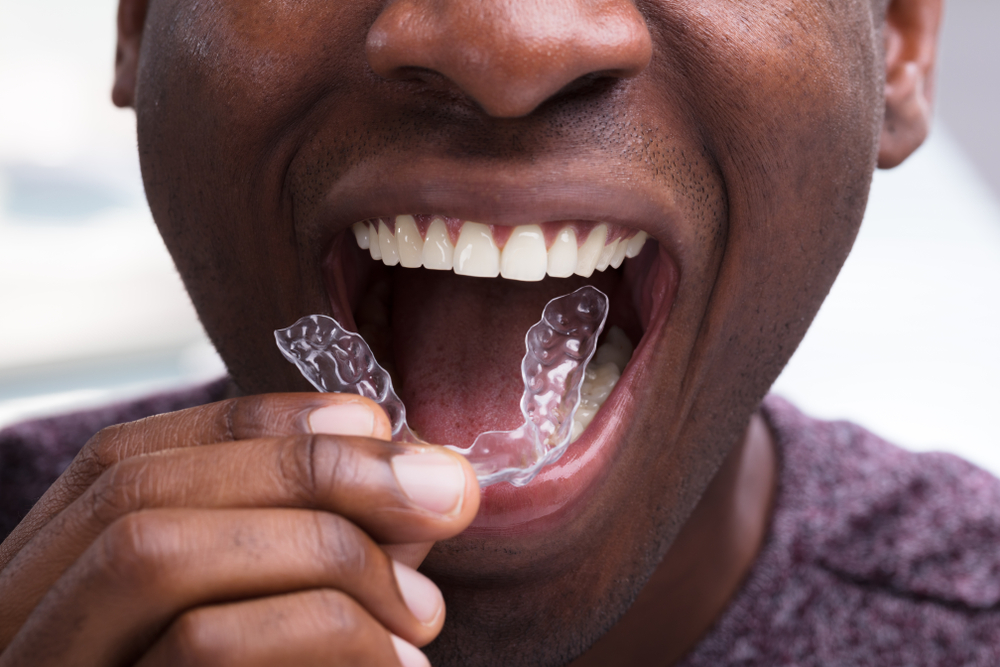
A custom night guard is created using an impression or digital scan of your teeth. It is designed to fit your mouth and bite rather than relying on a standard shape or a material you mould yourself at home.
Fit matters because a night guard needs to remain comfortable and stable enough to be worn consistently. Your dentist can also evaluate your bite and determine the type of appliance that is appropriate for your needs.
Over-the-counter guards may be suitable for some people as a temporary option, but they do not provide the same individualized fit or professional assessment.
What Is the Process for Getting a Custom Night Guard?
The process begins with an examination of your teeth, bite, and jaw. Your dentist will look for signs of wear or damage and discuss any symptoms you have been experiencing.
If a night guard is recommended, an impression or digital scan is taken to record the shape of your teeth. This information is used to create the appliance.
Once your night guard is ready, its fit and bite can be checked and adjusted as needed. You will also receive instructions for wearing, cleaning, and storing it.
How Do You Care for a Night Guard?
Cleaning your night guard regularly helps keep it fresh and prevents buildup on the appliance.
Rinse it after use and clean it according to the instructions provided by your dental team. Allowing the guard to dry and storing it in a ventilated case can also help keep it in good condition.
Avoid exposing the appliance to excessive heat, which may distort some materials.
Bring your night guard to dental appointments periodically so your dental team can inspect its condition and check that it continues to fit properly.
How Long Does a Night Guard Last?
There is no fixed lifespan for every night guard. How long yours lasts depends on the material, the amount of force you place on it, how frequently you wear it, and how well it is cared for.
Someone who grinds heavily may wear through an appliance more quickly than someone with mild clenching.
Over time, a night guard can also become worn, damaged, or stop fitting correctly if your teeth or dental work change. Regular dental visits provide an opportunity to check whether it is still doing its job.
Protect Your Teeth While You Sleep
Clenching and grinding can gradually wear down teeth and place additional stress on existing dental work, often without you realizing it is happening.
If you have noticed tooth wear, morning jaw tension, damaged restorations, or other signs of nighttime grinding, contact our dental team for an assessment. A custom night guard may help protect your teeth from further damage.