Dental Checkups

Regular dental checkups give your dentist an opportunity to monitor your teeth, gums, and overall oral health. Routine exams can help identify changes early, often before they become painful or require more extensive treatment.

What Happens During a Dental Checkup?

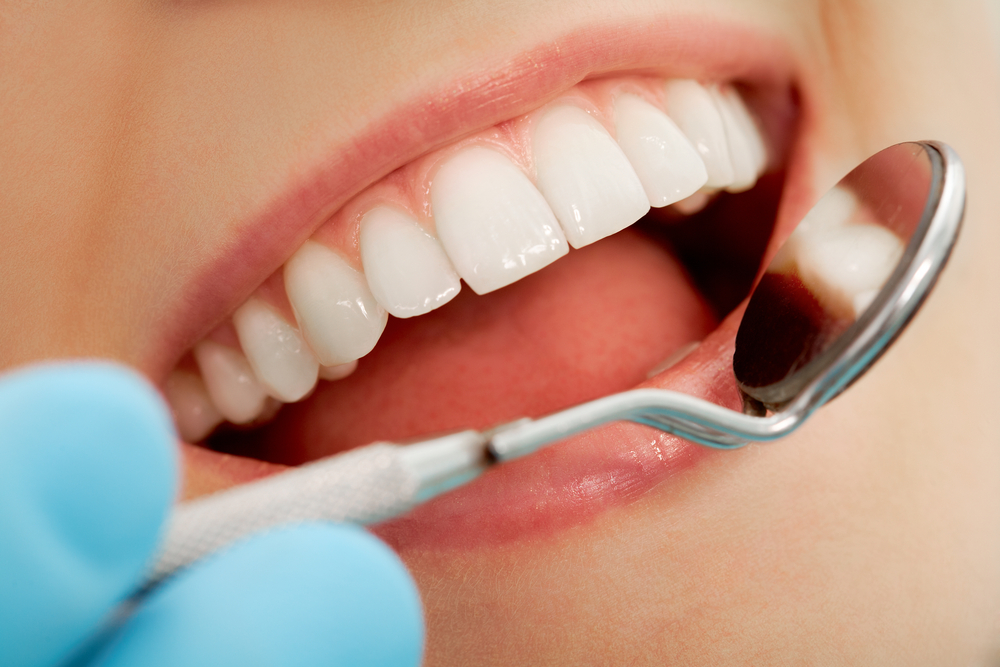
smiling during dental checkup

A dental checkup is more than a quick look for cavities. Your dentist examines your mouth for signs of changes that could affect your oral health and reviews any symptoms or concerns you may have noticed since your previous visit.

Depending on your needs, a routine dental exam may include an assessment of:

  • Teeth for cavities, cracks, wear, or other damage
  • Existing fillings, crowns, bridges, and other restorations
  • Gums and other tissues supporting your teeth
  • Your bite and jaw function
  • Areas of sensitivity or discomfort
  • Changes to the soft tissues of your mouth
  • Other findings that may require monitoring or treatment

Your medical and dental history may also be reviewed because medications, health conditions, and changes in your overall health can sometimes affect your dental care.

Why Are Regular Dental Exams Important?

Many dental problems develop gradually and may not cause noticeable symptoms in their early stages.

A small cavity, for example, may not hurt. Early gum disease can also develop with few obvious warning signs. By the time pain or significant discomfort appears, the condition may have progressed.

Regular examinations allow your dental team to monitor changes over time and identify areas that may require preventive care, treatment, or closer observation.

Early detection does not always mean treatment is necessary immediately. In some situations, your dentist may simply recommend monitoring an area and checking it again at a future visit.

What Does Your Dentist Look for During an Exam?

Your dentist considers the health of your entire mouth rather than evaluating individual teeth in isolation.

Tooth Decay and Damage

Teeth are checked for signs of cavities, fractures, wear, weakened areas, and other structural concerns.

Existing dental work is also examined. Fillings, crowns, bridges, implants, and other restorations can wear or develop problems over time and should be monitored regularly.

Gum Health

Your gums and the supporting structures around your teeth are evaluated for signs of inflammation or periodontal disease.

Bleeding, swelling, gum recession, changes in the spaces around your teeth, and other findings may indicate that additional assessment or treatment is appropriate.

Bite and Jaw Function

Changes in your bite, tooth wear, jaw movement, or muscle tenderness can sometimes indicate clenching, grinding, or other functional concerns.

Your dentist may ask about symptoms such as jaw discomfort, headaches, or changes in how your teeth come together.

Soft Tissues of the Mouth

Your dental examination can also include an assessment of the tongue, cheeks, lips, gums, palate, and other visible tissues of the mouth.

If an unusual area is identified, your dentist can determine whether it should be monitored, reassessed, or investigated further.
Are Dental X-Rays Part of Every Checkup?

Not necessarily.

Dental X-rays provide information about areas that cannot always be evaluated through a visual examination alone. They may help identify cavities between teeth, assess bone levels, evaluate tooth roots, or investigate specific areas of concern.

How often X-rays are recommended depends on factors such as your age, dental history, current oral health, previous X-rays, and risk of developing dental problems.

Your dentist can determine when new images are appropriate rather than automatically taking them at every visit.

Is a Dental Checkup the Same as a Dental Cleaning?

They are related, but they are not the same thing.

A dental exam focuses on evaluating your oral health and identifying changes or concerns. A professional cleaning focuses on removing plaque, tartar, and other deposits from your teeth.

The two services are often scheduled together as part of a routine dental visit, but the recommended frequency of examinations and cleanings can vary depending on your individual oral health needs.

How Often Should You Have a Dental Checkup?

There is no single schedule that is appropriate for every patient.

Some people benefit from more frequent monitoring because of their dental history, gum health, cavity risk, existing restorations, medical considerations, or ongoing treatment. Others may require less frequent examinations.

Your dentist can recommend an appropriate recall schedule based on your individual oral health rather than relying on a fixed timeline for everyone.

Should You See a Dentist Before Your Next Routine Checkup?

Yes, if you develop a new dental concern.

You should not necessarily wait for your next scheduled examination if you notice symptoms such as:

  • Persistent tooth pain
  • New or worsening sensitivity
  • Swelling of the gums, face, or jaw
  • A broken or cracked tooth
  • A loose or damaged restoration
  • Persistent bleeding from the gums
  • Changes to your bite
  • A sore, lump, or unusual area in your mouth that does not resolve
  • Any other significant change that concerns you

A routine recall schedule is intended for ongoing preventive care. New symptoms may require an earlier assessment.

Stay Ahead of Changes in Your Oral Health

Regular dental examinations allow your dental team to monitor your oral health over time and address changes when they are identified.

Contact our dental team to schedule a checkup or arrange an assessment if you have noticed a new concern with your teeth, gums, or mouth.

FAQs About Dental Checkups

The appropriate frequency depends on your oral health, dental history, and risk factors. Your dentist can recommend a recall schedule based on your individual needs rather than using the same interval for every patient.

Yes. Many dental conditions do not cause pain during their early stages. Routine examinations can identify changes before you notice symptoms and allow your dentist to determine whether monitoring, preventive care, or treatment is appropriate.

Not necessarily. The need for dental X-rays depends on your dental history, age, risk factors, previous images, and whether your dentist needs additional information that cannot be obtained through a visual examination.

A dental exam evaluates the health of your teeth, gums, bite, and other areas of your mouth. A dental cleaning removes plaque, tartar, and other deposits from the teeth. They are often performed during the same general visit but serve different purposes.

We strive to...

Create a welcoming environment where you feel heard, respected, and at ease throughout your visit.

Help you understand your oral health and treatment options so you can make informed decisions about your care.

Take the time to understand your concerns, priorities, and goals before recommending treatment.

Earn your trust through consistent care, open communication, and a patient-first approach.

Insurance & Billing

Our friendly team will help you complete insurance paperwork in advance for a better, faster, experience. We make it easy.

Why Choose Our Practice

Patient First Approach

"Lorem ipsum dolor sit amet, consectetur adipiscing elit, sed do eiusmod tempor incididunt ut labore et dolore magna aliqua. Ut enim ad minim veniam, quis nostrud exercitation ullamco laboris nisi ut aliquip ex ea commodo consequat.

Welcoming Team

"Lorem ipsum dolor sit amet, consectetur adipiscing elit, sed do eiusmod tempor incididunt ut labore et dolore magna aliqua. Ut enim ad minim veniam, quis nostrud exercitation ullamco laboris nisi ut aliquip ex ea commodo consequat.

Payment Options

"Lorem ipsum dolor sit amet, consectetur adipiscing elit, sed do eiusmod tempor incididunt ut labore et dolore magna aliqua. Ut enim ad minim veniam, quis nostrud exercitation ullamco laboris nisi ut aliquip ex ea commodo consequat.

Our Satisfied Patients

We love hearing from our patients! Thank you to everyone who has taken the time to provide us with feedback. It means the world to us!